SpaceX (CC0 / Public Domain)
SpaceX
Privately landing rockets, building Starlink, and now folding xAI/X into a SpaceXAI infrastructure stack.
Photos
SpaceX was born from a single question: why does a rocket cost $65M when its raw materials cost $200K? In 2002 Musk drove to NASA, asked to buy a surplus rocket, and was laughed out of the building. He went home and built one. Today SpaceX launches more mass to orbit every year than all other launch providers on Earth combined, recovers its boosters from the sky like science fiction, and is the only company in history to have flown humans to the International Space Station under a commercial contract.
Founding Story
SpaceX originated in a single frustrating trip to Moscow in 2001. Musk had gone to buy a surplus Russian ICBM for a Mars Oasis PR project. The Russians laughed at him and doubled their price to $21 million. On the flight home, Musk opened a spreadsheet and calculated the actual materials cost of a rocket. The gap between materials cost and market price was absurd. A new company was the only logical conclusion.
Space Exploration Technologies Corp. was incorporated on March 14, 2002, with $100 million of Musk's personal PayPal proceeds. Falcon 1, a small two-stage rocket, was the first test vehicle. It failed on its first three attempts. By the third failure in August 2008, SpaceX had enough money for exactly one more launch. The fourth attempt, on September 28, 2008, reached orbit.
Three months later, NASA awarded SpaceX a $1.6 billion commercial resupply contract — arriving days before SpaceX would have run out of money entirely. Falcon 9 followed in 2010. The December 2015 vertical landing of Falcon 9's first stage proved that reusable orbital rocketry was not science fiction.
Crew Dragon carried NASA astronauts to the International Space Station in May 2020, restoring American human launch capability for the first time since the Shuttle's retirement in 2011. Starship — the Mars vehicle — has been under iterative orbital testing since 2023, with the Mechazilla booster catch of IFT-5 in October 2024 the most dramatic single milestone in spaceflight history.
- Mar 14, 2002Founds SpaceXFounds Space Exploration Technologies Corp. in El Segundo, CA with $100M of personal capital. Goal: reduce the cost of access to space to enable Mars colonization.
- Aug 3, 2008Falcon 1 Flight 3 — fails at stage separation againThird Falcon 1 attempt. Reached space but residual thrust from the first stage caused it to collide with the second stage during separation. This failure nearly ended SpaceX — fund…
- Sep 28, 2008Falcon 1 reaches orbit on 4th attemptFirst privately-funded liquid-propellant rocket to reach orbit. Carries a dummy payload (Ratsat). The success came with SpaceX having only enough money for this one remaining attem…
- Dec 2008SpaceX 2008 cash crisisBy year-end 2008, SpaceX is near insolvency simultaneously with Tesla's crisis. Musk splits his last $40M between the two companies. Both are saved by a combination of the NASA con…
- Dec 23, 2008$1.6B NASA Commercial Resupply contractNASA awards SpaceX a Commercial Resupply Services contract worth up to $1.6 billion. The contract arrives days before SpaceX would have run out of money. Saves the company from ban…
- Dec 8, 2010Dragon spacecraft reaches orbit — first private capsuleSpaceX's Dragon capsule completes two Earth orbits and splashes down successfully — the first private spacecraft to do so.
- Mar 2012Becomes a billionaire for the first timeAs Tesla's stock climbs following the Model S development milestone payments and SpaceX's Dragon ISS mission, Musk's combined stake valuation crosses $1 billion for the first time.
- May 25, 2012Dragon berths with ISSSpaceX Dragon becomes the first commercial spacecraft to berth with the International Space Station, delivering cargo under the CRS contract.
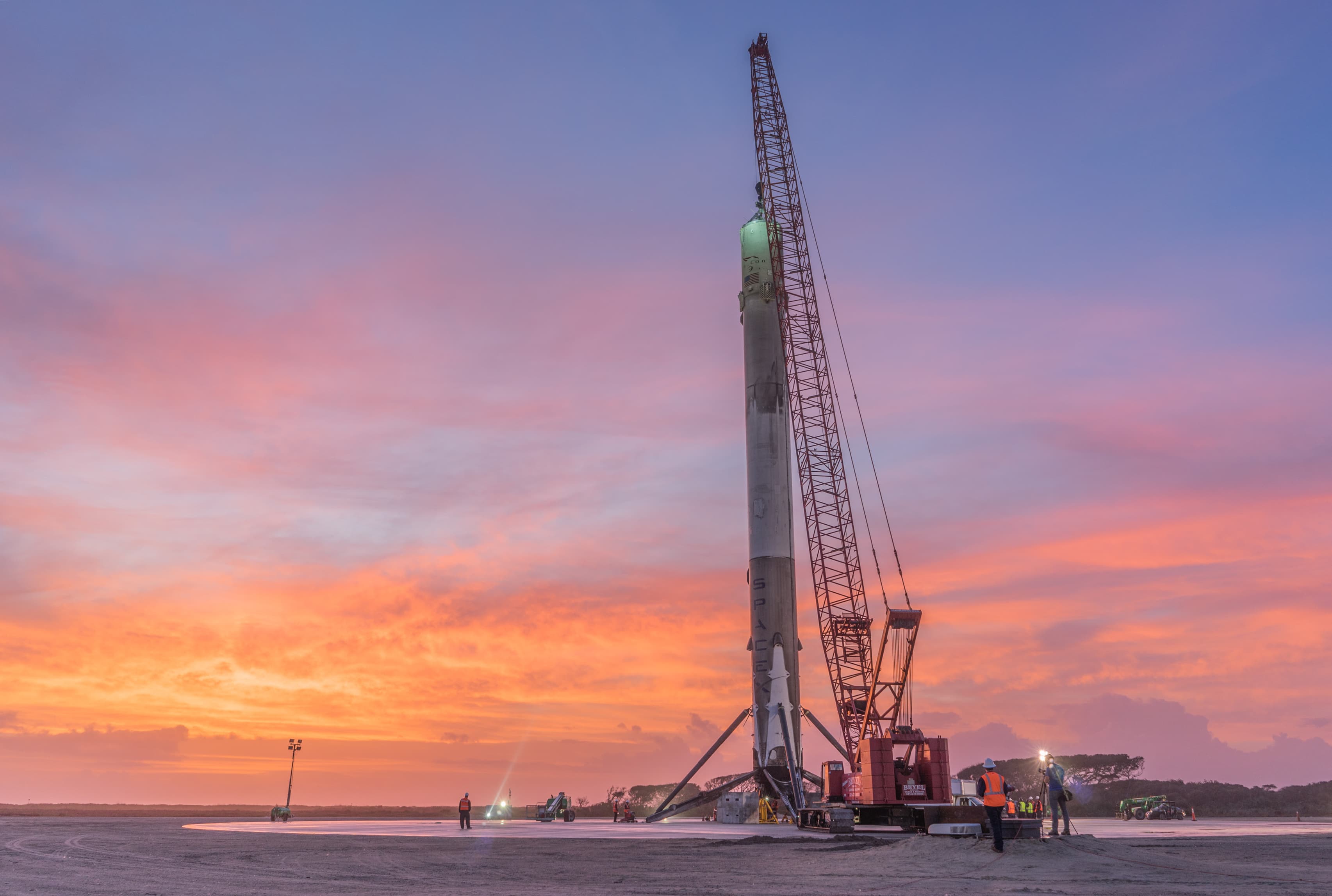
- Dec 21, 2015First Falcon 9 booster lands vertically at LZ-1Falcon 9 first stage returns and lands vertically at Cape Canaveral's LZ-1 — the first orbital-class rocket booster ever recovered. Marks the beginning of the reusability revolutio…
- Apr 8, 2016First Falcon 9 landing on drone shipA Falcon 9 first stage lands on the autonomous drone ship 'Of Course I Still Love You' — the first successful ocean landing, enabling high-velocity missions.
- Sep 1, 2016Falcon 9 explodes on the launchpadA Falcon 9 rocket explodes during static fire testing at Cape Canaveral, destroying the Amos-6 Israeli communications satellite (worth ~$195M). Investigation traces the cause to co…
- Feb 6, 2018Falcon Heavy first flight — Roadster to spaceFalcon Heavy successfully completes its maiden flight, launching Elon's personal Tesla Roadster (with 'Starman' mannequin) into heliocentric orbit. Two side boosters land simultane…
- May 11, 2018Falcon 9 Block 5 first flightFirst flight of the final and most capable Falcon 9 variant, designed for at least 10 reuses with minimal refurbishment. Block 5 becomes the workhorse that enables SpaceX's high la…
- Mar 2, 2019Crew Dragon Demo-1 uncrewed flightCrew Dragon completes its first uncrewed flight to the ISS. Docks autonomously and returns safely — validating the spacecraft before human passengers.
- May 24, 2019First Starlink batch launchedSpaceX launches 60 Starlink internet satellites — the first batch of what becomes a megaconstellation. Astronomers immediately raise concerns about light pollution.
- May 30, 2020Crew Dragon Demo-2 — first crewed US launch since 2011NASA astronauts Bob Behnken and Doug Hurley launch aboard Crew Dragon Endeavour. First crewed orbital launch from US soil since the Space Shuttle retired in 2011.
- May 5, 2021Starship SN15 sticks first landingStarship prototype SN15 completes a high-altitude test flight and lands successfully for the first time, after four prior prototypes (SN8–SN11) exploded.
- Sep 15, 2021Inspiration4 — first all-civilian orbital crewJared Isaacman leads a four-person all-civilian crew on a three-day Crew Dragon mission, the first orbital spaceflight with no professional astronauts aboard.
- Oct 2021Starlink reaches 1 million subscribersStarlink beta program crosses 1 million active subscribers globally, including critical coverage in Ukraine following the 2022 Russian invasion.
- Feb 26, 2022Starlink terminals deployed in UkraineSpaceX ships Starlink terminals to Ukraine within days of Russia's invasion, providing critical communications infrastructure to the Ukrainian military and government. The deployme…
- Apr 20, 2023Starship IFT-1 — first integrated launch attemptFirst launch of the fully integrated Starship/Super Heavy system from Boca Chica. The 33-engine Super Heavy booster achieves first-stage separation but the Flight Termination Syste…
- Sep 2023Starshield military contract announcedSpaceX announces Starshield, a government-focused version of Starlink with enhanced encryption and military-grade capabilities, under a contract with the US National Reconnaissance…
- Nov 18, 2023Starship IFT-2 — reaches space, second FTS activationSecond integrated test flight. Super Heavy booster lost; Starship upper stage reaches space but is destroyed by Flight Termination System during reentry. Hot staging successfully d…
- Jan 2024Starlink surpasses 5 million subscribersStarlink reaches 5 million active subscribers across over 70 countries, generating significant recurring revenue for SpaceX's Starship development.
- Mar 14, 2024Starship IFT-3 — first complete trajectoryThird test flight. Starship reaches its target trajectory and survives reentry for the first time, though both vehicles are lost. Major milestone for thermal protection system vali…
- Jun 6, 2024Starship IFT-4 — both vehicles surviveBoth the Super Heavy booster and Starship upper stage survive their respective reentries and perform controlled splashdowns. First time both vehicles are successfully recovered in …
- Sep 10, 2024Polaris Dawn — first commercial spacewalkSpaceX Polaris Dawn mission completes the first-ever commercial spacewalk, with mission commander Jared Isaacman and mission specialist Sarah Gillis stepping outside in SpaceX-desi…
- Oct 13, 2024Starship IFT-5 — Mechazilla catches Super Heavy boosterSuper Heavy booster is caught mid-air by the Mechazilla 'chopstick' tower arms at the launch site — a historic first. Starship upper stage performs a controlled splashdown in the I…
- Nov 19, 2024Starship IFT-6 — second booster catchSecond consecutive Super Heavy booster catch by the Mechazilla tower. Starship upper stage splashes down successfully. Rapid reusability demonstration accelerates.
- Jan 16, 2025Starship IFT-7 — Starship reentry and splashdownSeventh integrated test. Both booster catch and upper-stage controlled splashdown achieved. SpaceX declares the vehicle ready for payload demonstration missions.
- Feb 2, 2026SpaceX acquires xAISpaceX acquires xAI in an all-stock transaction, combining rockets, Starlink, X distribution, Grok, Colossus, and proposed space-based AI compute under the SpaceXAI umbrella.
Overview
Space Exploration Technologies Corp. was founded by Elon Musk in March 2002 with $100M of his PayPal proceeds. Stated goal from day one: make humanity multi-planetary. Falcon 1 reached orbit on its fourth attempt in September 2008 — the first privately-funded liquid-fueled rocket to do so. Falcon 9 first launched in 2010, recovered its first booster in December 2015, and re-flew one for the first time in March 2017. Crew Dragon carried NASA astronauts to the ISS in May 2020 — the first crewed orbital launch from US soil since the Space Shuttle's retirement in 2011. SpaceX operates Starlink, the largest satellite constellation ever built. Starship — the Mars vehicle — has been undergoing iterative orbital tests since 2023. On February 2, 2026, SpaceX acquired xAI in an all-stock transaction, bringing Grok, Colossus, and X's distribution under the SpaceXAI umbrella alongside rockets, satellites, and proposed orbital AI infrastructure.
Elon's Role
Products & Vehicles
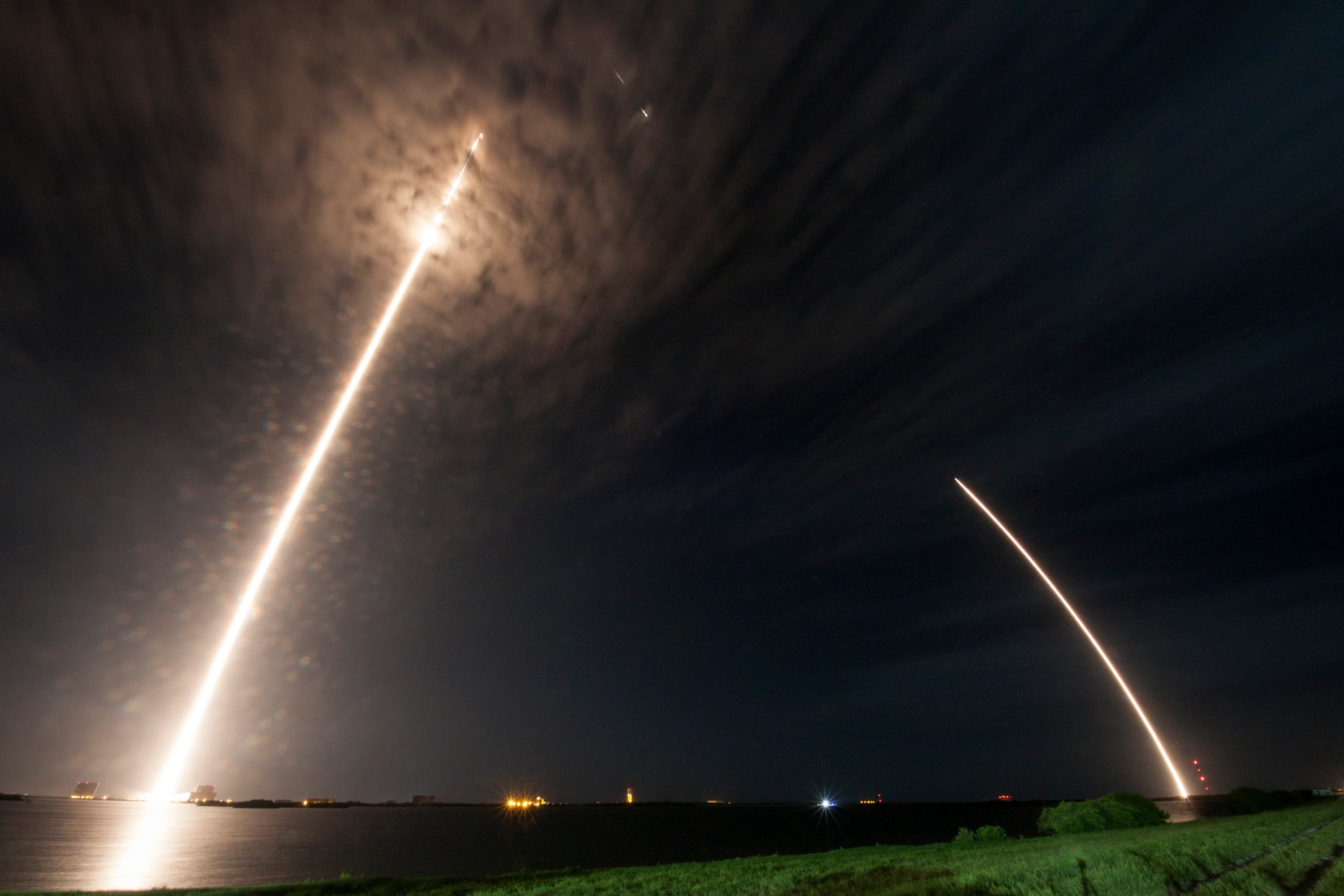
First privately-developed liquid-fuel rocket to reach orbit. Three failures, then orbit on attempt four.
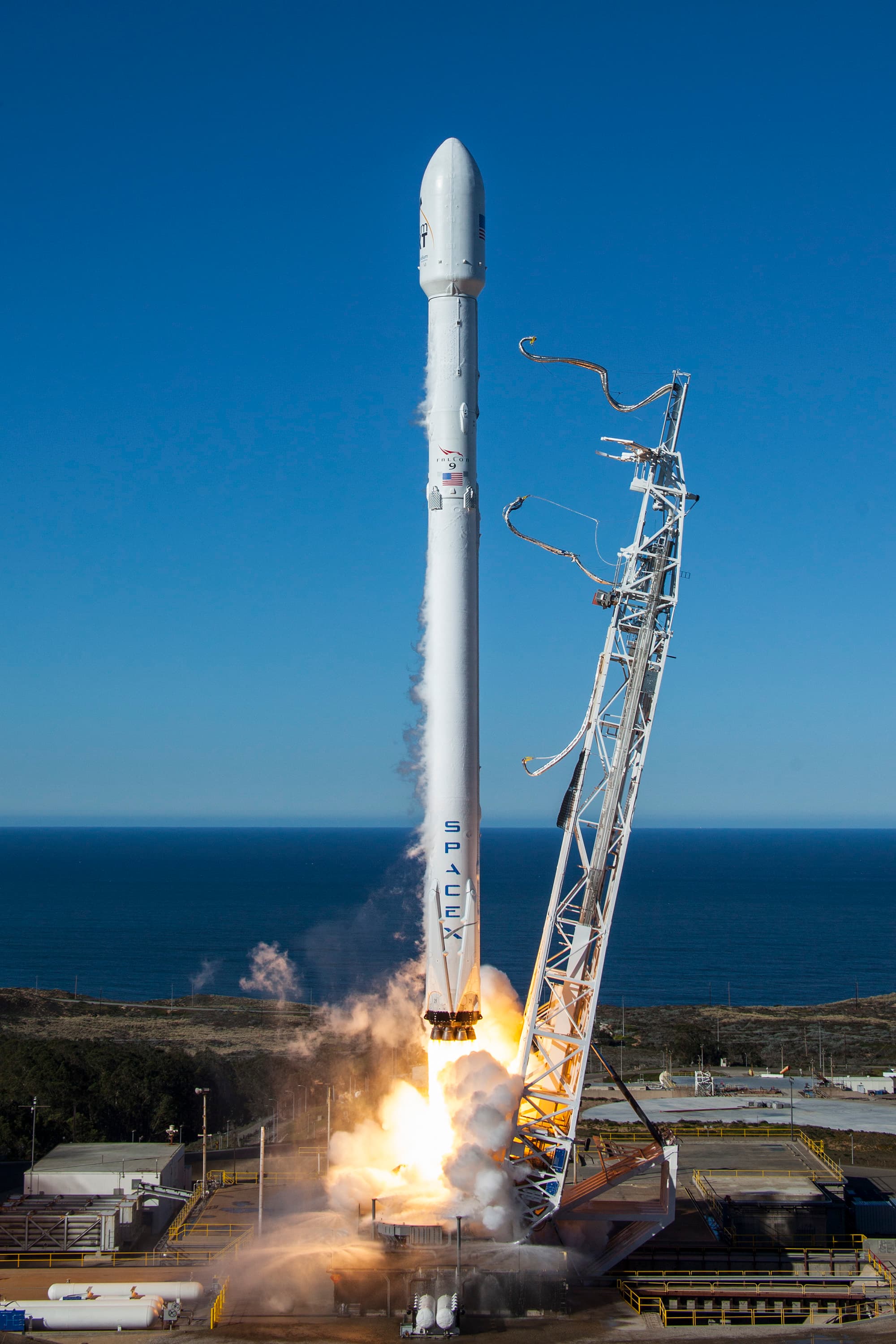
The workhorse. Reusable first stage, 300+ landings, the rocket that broke the launch monopoly.
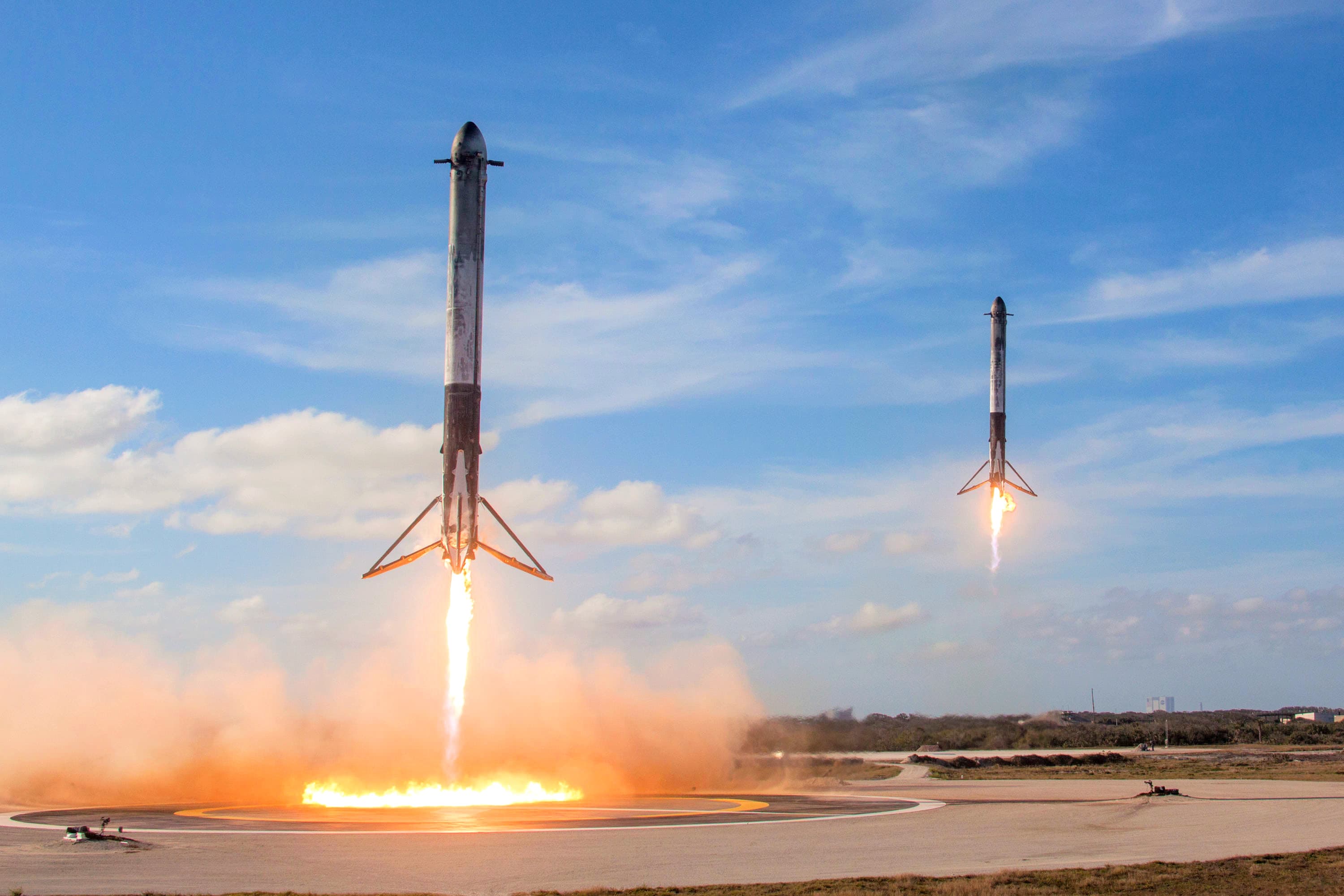
Three Falcon 9 cores strapped together. Maiden flight launched a Tesla Roadster toward Mars.
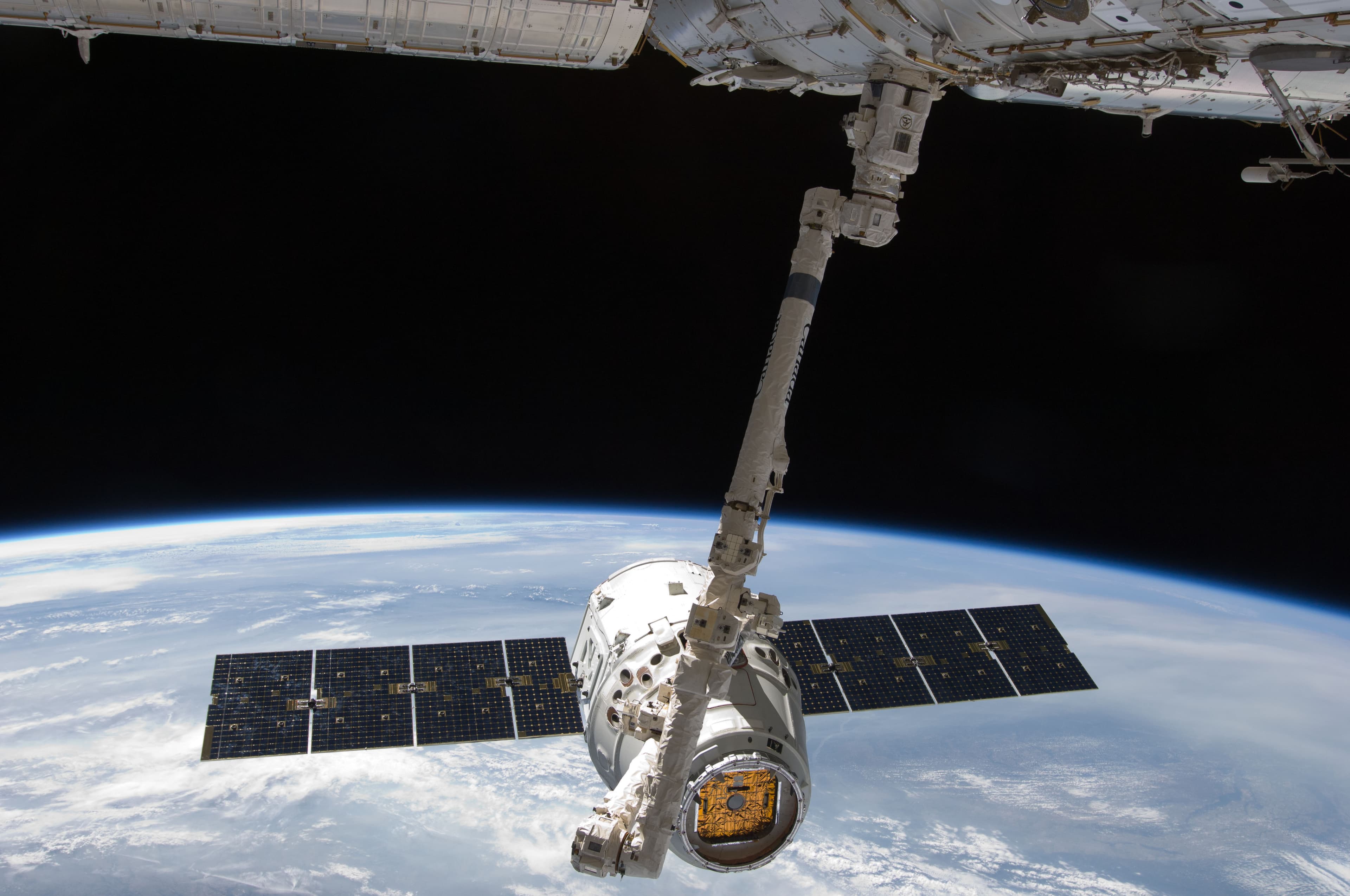
First commercial spacecraft to dock with the ISS. Crew Dragon ended the post-Shuttle gap in 2020.
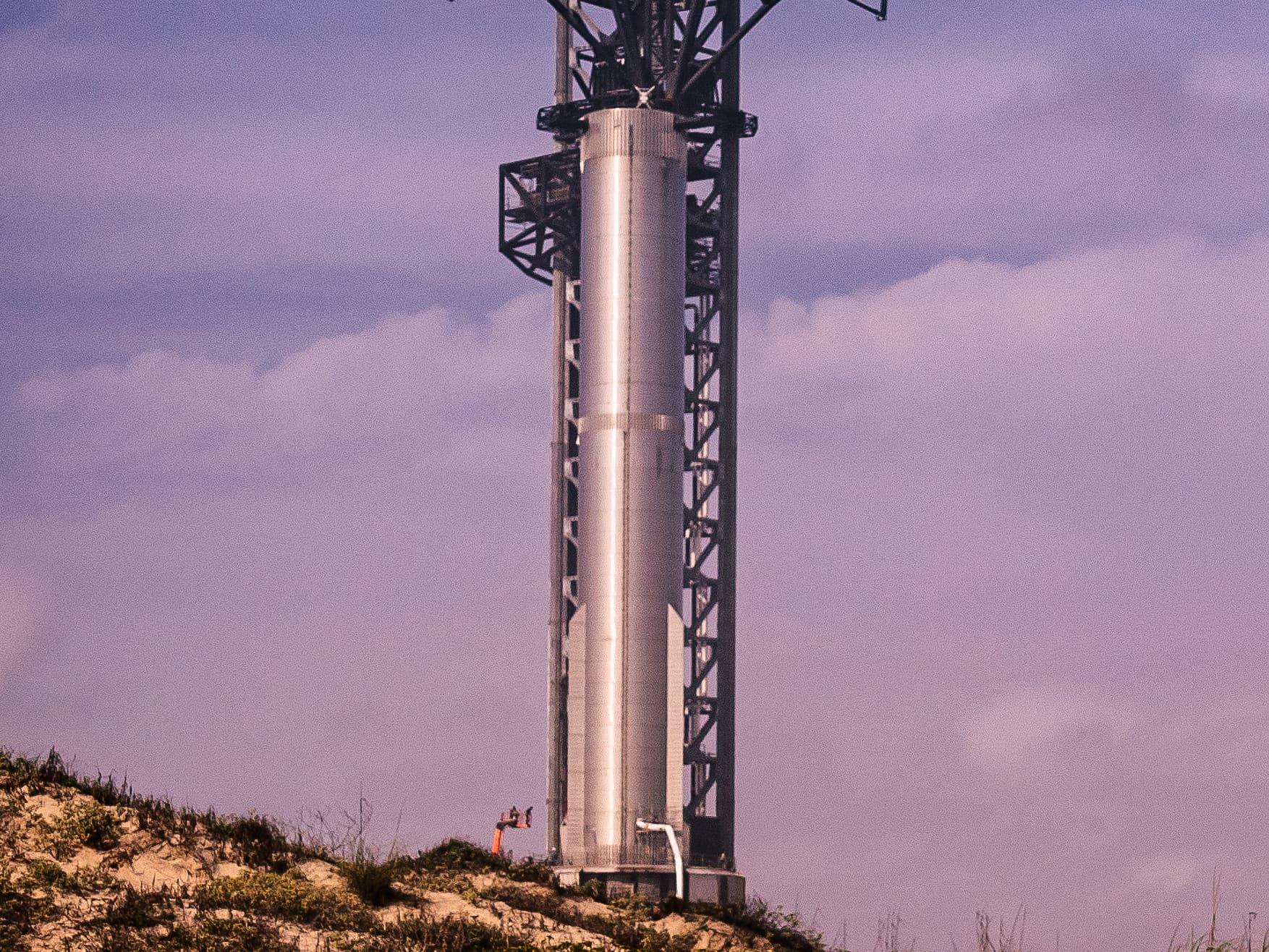
The Mars vehicle. Fully reusable. 121 m tall — the largest rocket ever built.
Key Milestones
- Mar 14, 2002founding
SpaceX founded
Musk incorporates Space Exploration Technologies with $100M.
- Sep 28, 2008launch
Falcon 1 reaches orbit
First privately-developed liquid-fuel rocket to reach Earth orbit. Fourth attempt — three previous failures nearly bankrupted the company.
- Dec 23, 2008funding
$1.6B NASA Cargo Resupply contract
12-flight CRS contract saved SpaceX days from insolvency.
- Jun 4, 2010launch
Falcon 9 maiden flight
First launch from Cape Canaveral SLC-40.
- May 25, 2012launch
Dragon docks with ISS
First commercial spacecraft to deliver cargo to the International Space Station.
- Dec 21, 2015launch
First Falcon 9 booster landing
Vertical propulsive landing at Cape Canaveral LZ-1. Reusability proven.
- Mar 30, 2017launch
First reflight of an orbital booster
SES-10 mission. The reusability era begins.
- Feb 6, 2018launch
Falcon Heavy maiden flight
World's most powerful operational rocket; carried Musk's Tesla Roadster on a heliocentric orbit.
- May 23, 2019launch
First Starlink launch
60 satellites; constellation grows to ~6,000+ by 2024.
- May 30, 2020launch
Crew Dragon Demo-2
Hurley & Behnken — first crewed launch from US soil since 2011.
- Apr 20, 2023launch
Starship IFT-1
First integrated Starship/Super Heavy launch. Vehicle lost mid-flight.
- Oct 13, 2024launch
Starship IFT-5 — booster caught
Super Heavy booster caught by 'Mechazilla' chopstick arms on first attempt.
- Feb 2, 2026acquisition
SpaceX acquires xAI
All-stock transaction folds xAI and X into SpaceX, creating the SpaceXAI operating stack for AI, Starlink distribution, and proposed space-based compute.
Notable Tweets
“Mechazilla has caught the Super Heavy booster”
The tweet announcing the historic first mechanical booster catch — a feat Musk had set at 50/50 odds.
“SpaceX will put humans on Mars before 2030”
Said during a Twitter Spaces session with reporters.
“Starship — most complex engineering object ever built — successfully completed its 4th test flight”
IFT-4: both booster and ship survived reentry and splashed down successfully for the first time.
Predictions
We want to send Dragon to Mars in 2018. And then 2020. And then 2022. And every two years after that, synchronizing with Mars orbital windows.
No Mars missions were launched in 2018 or 2020. Starship development replaced the Dragon Mars plan.
We want to send the first cargo Starships to Mars in 2022 and the first crewed flights in 2024.
Starship had its first integrated test flight in April 2023. Mars cargo missions have not been attempted.
Starship will reach orbit in 2022.
First integrated Starship launch attempt happened April 2023; orbit was not reached until IFT-4 reentry in June 2024.
Famous Quotes
“I think there is a strong humanitarian argument for making life multi-planetary, in order to have a kind of insurance policy against the myriad of possible events that could ultimately extinguish Earth-based consciousness.”
— Reddit AMA, Jun 2016
“I tend to approach things from a physics framework. Physics teaches you to reason from first principles rather than by analogy. So I said, okay, let's look at the first principles. What is a rocket made of? Aerospace-grade aluminum alloys, plus some titanium, copper, and carbon fiber.”
— TED 2013, Feb 2013
“If one can figure out how to effectively reuse rockets just like airplanes, the cost of access to space will be reduced by as much as a factor of a hundred. A fully reusable vehicle has never been done before. That really is the fundamental breakthrough needed to revolutionize access to space.”
— SpaceX press conference, Dec 2015